
In 2013, a routine PSA test quietly divided my life into two chapters: before and after. My numbers were higher than normal. Not alarming enough for immediate surgery, but high enough to begin what doctors call active surveillance. For the next few years, I lived between appointments — blood tests, biopsies, waiting rooms. Waiting became part of the rhythm of life. Eventually, the decision was clear: my prostate needed to be removed. At the time, the emotional weight of that decision didn’t land the way it might for other men. I was caring for my disabled wife. Intimacy had long since been replaced by caregiving. My role was husband, nurse, advocate. Sexual function felt like a distant concern. Survival and stability were what mattered.
The surgery in 2016 was successful. Cancer gone. But as many men discover, survival can come with consequences. My doctors emphasized the importance of penile rehabilitation — maintaining blood flow to preserve tissue health after surgery. They sent me home with a vacuum erection device. I listened politely, nodded at the instructions, and placed it in a drawer. What was the point? I wasn’t living a life where it mattered.
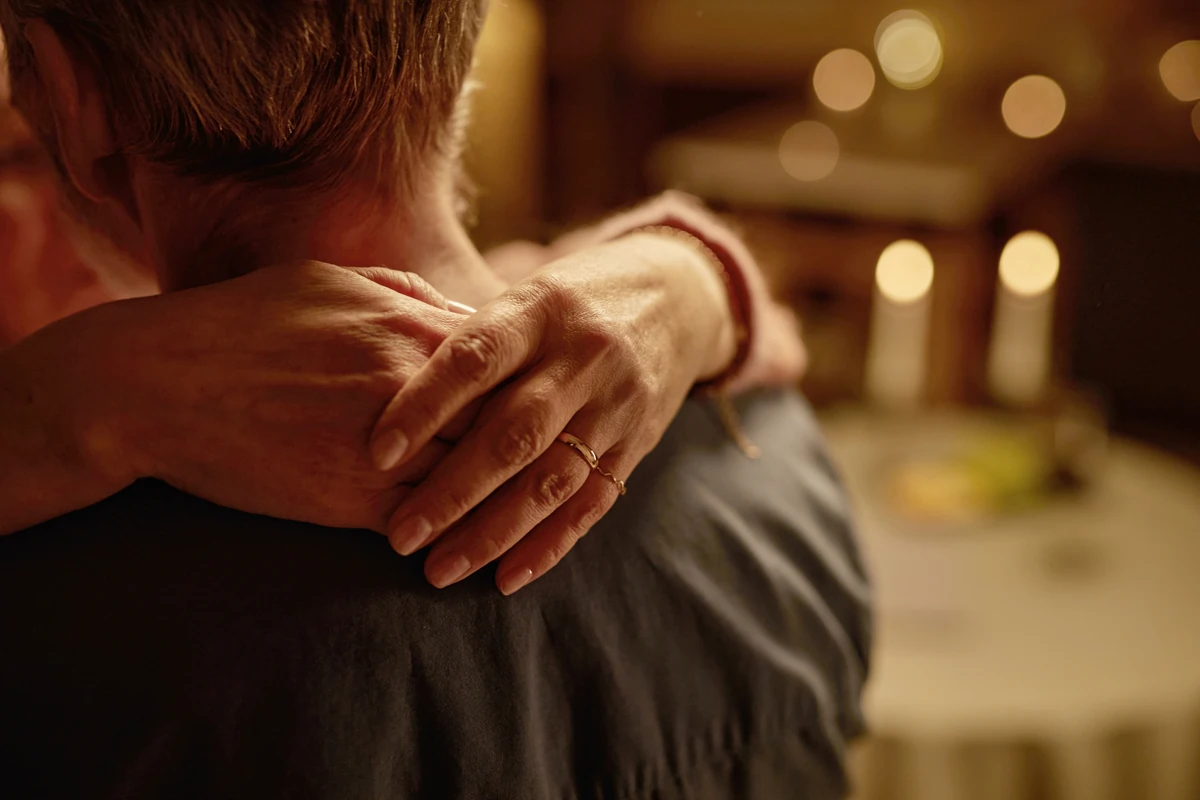
Then in 2020, everything changed. My wife passed away. Grief rearranges you. It narrows the world, then slowly — sometimes reluctantly — expands it again. I assumed that chapter of romance and physical intimacy had closed for good. I was 68 years old. I had survived cancer. I had buried my wife. Surely that was enough life for one man. Six months later, I met a woman slightly younger than me. I didn’t expect her. I didn’t plan for her. But she walked into my life with warmth, humor, and possibility. In 2021, we were married.
From the beginning, we were honest. I had severe erectile dysfunction following prostate surgery. There were no illusions and no promises of easy fixes. What we had instead was commitment. We tried everything. I was already taking Tadalafil. We pursued Shockwave therapy. We even tried combination injection therapy. We approached it not as a failure, but as a shared problem to solve. Still, nothing worked well enough. Which led me back to the device I had ignored years earlier. The vacuum pump.
If I’m being candid, I didn’t like it. Pumping itself was awkward, but applying the constriction ring afterward felt mechanical and unromantic. Worse, there was the very real risk of pulling my testicles into the cylinder — an experience that can only be described as memorably painful. For a while, that was enough to keep the device on the shelf. Then I discovered redesigned tension rings that prevented that problem entirely. It was a small innovation, but it changed everything. The process became simpler, more comfortable, more reliable. And reliability, after prostate surgery, is everything. For the first time since being married, we found something that worked.
Today, intimacy in our marriage doesn’t look like it did when I was 30 — and that’s okay. It’s intentional. It’s collaborative. Sometimes my wife will glance at me across the room and mouth, “Get the pump.” There’s humor in it now. Confidence. Anticipation.
At 70, I didn’t expect to rediscover desire — or to feel desired. Prostate cancer took something from me. Grief nearly convinced me that love belonged in my past. But recovery, I’ve learned, isn’t only about eliminating disease. It’s about reclaiming life — sometimes in unconventional ways.
Too many men suffer in silence after prostate surgery. We survive the cancer but quietly surrender intimacy, believing it’s gone for good. It isn’t. There are therapies. There are devices. There are partners willing to walk the road with us. And sometimes, second chances arrive long after we’ve stopped expecting them. Mine came with a wedding ring. And, yes — a pump.
- Larry, 70
Share with your friends & followers!